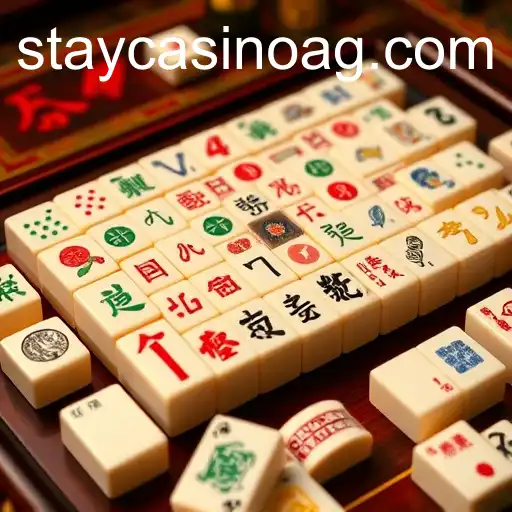
The Enigmatic World of Mahjong
Mahjong is more than just a game; it is a cultural phenomenon that has stood the test of time. Originating in China, Mahjong has become a beloved pastime across the globe, translating its complex rules and deep strategy into a universal language of fun and interaction. While its roots are firmly planted in Asian culture, Mahjong has transcended borders, bringing people together in friendly competition.
History and Evolution
The history of Mahjong is as intricate as the game itself. Believed to have been created in the mid-19th century during the Qing dynasty, the game quickly spread throughout China before navigating the seas to Japan, Korea, and later the West. Each region has fostered its own variant, each adding unique twists while maintaining the core elements that make Mahjong distinct.
Understanding the Basics
Learning to play Mahjong can initially seem daunting due to its unique tiles and scoring system. The game is usually played by four players with a set of 144 tiles, although variations exist. These tiles are divided into suits and honor tiles, and the objective is to build complete suits, which are known as "melds," as you draw and discard tiles.
A typical Mahjong set consists of three simple suits: dots, bamboo, and characters. Additionally, there are seven honor tiles consisting of winds and dragons, which add a layer of challenge and strategy. Winning a game typically involves forming specific winning tile combinations, called a "Mahjong," which requires both strategy and a fair share of luck.
Strategic Depth and Social Scene
Mahjong is often lauded for its deep strategic potential. Mastering the game requires an understanding not only of one’s own tiles but also of the opponents' actions. Expert players develop skills in memory, strategy, and psychology, as they calculate odds and manage their hand to outwit their opponents.
While the strategic depth of Mahjong appeals to competitive players, the social aspects of the game are equally important. Mahjong tables are often a hub of social interaction, with friendships and communities forming around regular game sessions. The dynamic interactions and friendly banter are as much a part of the experience as the game itself.
Mahjong in the Digital Age
In today's digital world, Mahjong has found new life online. Platforms such as qg.bet offer expansive platforms for Mahjong enthusiasts to play and compete from the comfort of their own homes. These digital adaptations often provide instant matchmaking, tutorials, and global leaderboards, keeping the spirit of Mahjong vibrant and accessible.
Moreover, online platforms have opened doors for variations with custom rules and international competitors, expanding its cultural influence and spreading its joy to new generations.
Conclusion
The allure of Mahjong extends beyond the ceramic tiles and wooden tables. Its enduring presence in the cultural fabric of many societies speaks to the universal appeal of games that are rich in history and filled with interaction. Whether a casual game with friends or an intense digital match online, the fascination of Mahjong remains, captivating hearts across borders for over a century.