

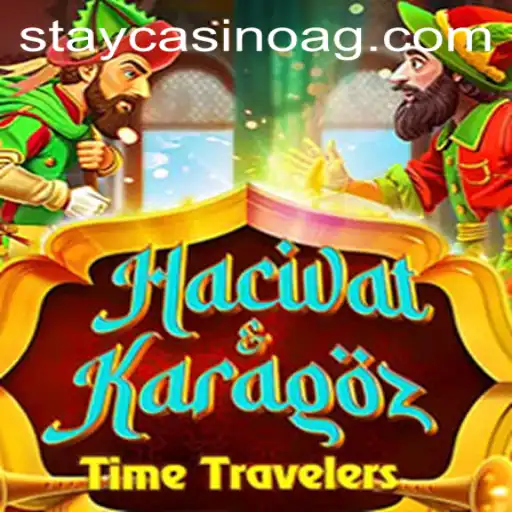
The Enchanting World of Hacivat and Karagoz
Hacivat and Karagoz is a traditional form of Turkish shadow theatre that has delighted audiences for centuries. This shadow play, known for its satirical and comedic narratives, holds a special place in Turkish culture as it blends humor, art, and storytelling into a singular experience. Though rooted in the cultural landscape of the Ottoman Empire, Hacivat and Karagoz continue to resonate with audiences today, bringing a taste of historical performance art into modern entertainment.
The Origins of Hacivat and Karagoz
The tale of Hacivat and Karagoz is said to originate during the reign of the Ottoman Empire, around the 16th century. Legend holds that these two characters were real individuals who worked as construction laborers. Their humorous banter and entertaining exchanges became so notorious among their peers that they attracted the attention of the then-ruling Sultan, ultimately leading to their stories being immortalized in the art of shadow puppetry. The names Hacivat and Karagoz themselves are iconic, with Hacivat representing the well-spoken, articulate foil to Karagoz’s more crude, down-to-earth persona.
An Introduction to the Game
Hacivat and Karagoz is a unique form of storytelling that uses puppets made from animal skins, often camel or water buffalo, which are manipulated behind a white curtain illuminated by a light source. The shadows cast on the curtain bring the characters to life and create an engaging spectacle for the audience. Performers, called ‘Karagöz players,’ narrate the story and provide the voices for the characters, using a range of tones and accents to distinguish the diverse cast populating these narratives.
The themes of the play traditionally revolve around satirical depictions of society, politics, and human nature. Through clever humor and irony, the stories often critique authority and societal norms, allowing audience members to laugh at the universal follies and foibles of human behavior.
Understanding the Rules and Structure
While every performance of Hacivat and Karagoz can vary, there is generally a common structure that guides the flow of the narrative. A typical shadow play opens with the introduction of Hacivat, who ceremoniously recites a prayer or makes an opening speech to set the stage for the audience. It is soon followed by the introduction of Karagoz, whose arrival often heralds a series of comedic exchanges.
The core of the play revolves around a central problem or theme, around which the dialogue evolves. These themes could range from everyday disputes and misunderstandings to fantastical adventures or moral dilemmas. The overarching narrative is often divided into sketches, or scenes, featuring supporting characters that contribute to the development of the story. These additional characters often represent different societal archetypes and are used to enhance the humor and social commentary that are hallmarks of this art form.
Connections to Modern Media
In recent times, there has been an intriguing intersection of traditional art forms like Hacivat and Karagoz with modern digital entertainment platforms. Online gaming and streaming services often incorporate elements of folk performance traditions to create immersive experiences. Recognizing the value of cultural narratives, some developers and platforms have attempted to create games that draw inspiration from historical art forms. While there is no direct equivalent of Hacivat and Karagoz in today's digital gaming arena, the concept of storytelling and character-driven narratives remains influential.
The convergence of interactive digital media with traditional storytelling aligns well with the interests of platforms like qg.bet, known for offering engaging content tailored for entertainment enthusiasts. This broader exposure can introduce a global audience to the charm and wit of shadow play.
Reviving Tradition Through Innovation
The preservation and celebration of a cultural artifact like Hacivat and Karagoz can contribute significantly to the understanding and appreciation of history. By integrating such traditional forms into digital formats, creators have the opportunity to reintroduce time-honored narratives to a new, tech-savvy generation. Whether through apps, interactive online games, or virtual performances, there is immense potential for cultural preservation through technological adaptation.
For educators and cultural enthusiasts, showcasing these stories can serve as both a pedagogical tool and an entertaining diversion, facilitating a dialogue between past and present. It opens up avenues for audiences worldwide to connect with Turkish heritage, offering insights into the societal dynamics of an earlier era while engaging with contemporary trends.